

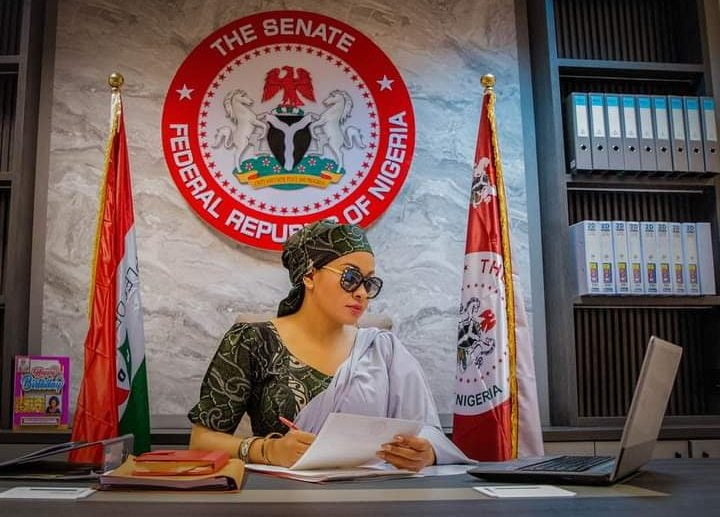
Senator Natasha Akpoti-Uduaghan has spoken out against the societal norms that teach women to accept shame and silence rather than speak up for themselves or challenge unfair treatment.

CLICK THE LINK TO READ FULL LIST
The senator made this known in Abuja during a mentorship and interactive session held to mark the 2025 International Day of the Girl Child.
CLICK THE LINK TO READ FULL LIST
The event, themed “The Girl I Am, The Change I Lead: Girls on the Frontlines of Crisis,” brought together over 50 young women from different parts of Nigeria for open discussions, reflection, and empowerment.
During the session, Akpoti-Uduaghan talked about how society often shapes girls from childhood to conform to expectations that limit their independence and voice.
She explained that many young women grow up without truly understanding who they are or what they want because they are constantly told how to behave and what to accept.
She urged women to break away from the mentality of silence and submission, adding that the time had come for them to be confident, courageous, and ready to pursue their dreams without fear of judgment.
The senator said her purpose goes beyond politics and that she is determined to create real change in communities that have long been denied opportunities.
The event also featured anti-human trafficking advocate Yakubu Oyiza Hope, who shared her personal story of surviving abduction and violence before becoming a strong voice for victims.
Many participants described the mentorship session as inspiring and urged the senator to create a continuous mentorship platform for young women.Akpoti-Uduaghan recently returned to the Senate on October 7, following a six-month suspension imposed on March 6, 2025.
Her suspension, which she challenged in court, had sparked debates over gender rights and legislative authority. After the court declared the suspension unconstitutional, her office was reopened, and she officially resumed her duties when plenary reconvened after the recess.
The senator stated that her focus remains on encouraging women to embrace self-discovery, courage, and leadership, as well as to challenge cultural barriers that restrict their growth and potential.

Comments are closed.