

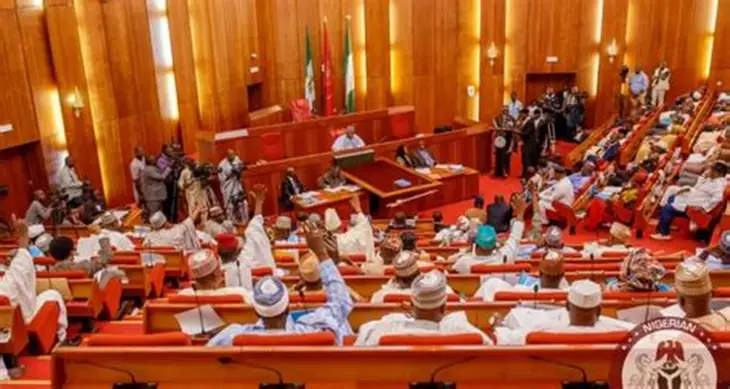
The Nigerian Senate is holding an emergency plenary session on Tuesday following widespread public anger over recent changes to the Electoral Act, especially the removal of the clause that requires real-time electronic transmission of election results.
CLICK THE LINK TO READ FULL LIST
The emergency sitting comes less than one week after the Senate passed the Electoral Act Amendment Bill 2026. Since then, pressure has grown from civil society groups, opposition figures, labour unions, professional bodies, regional leaders, and youth groups who believe the amendment could weaken the credibility of elections ahead of 2027.
CLICK THE LINK TO READ FULL LIST
The session was announced on Sunday by the Clerk of the Senate, Emmanuel Odo, following a directive from Senate President Godswill Akpabio.
The plenary is scheduled to begin at noon and is expected to be attended by 105 senators. The Senate currently has 106 members after losing two senators to death in recent months and one to a diplomatic appointment.
Public reaction to the amendment has been intense, with many Nigerians accusing lawmakers of opening the door to election manipulation by removing the word real-time from provisions on electronic transmission of results.
Several senators, especially those involved in harmonising the bill, reportedly faced harassment after their phone numbers circulated on social media. Some were said to have switched off their phones due to threats and verbal attacks.
Although Senate leaders have said electronic transmission was not completely removed, many Nigerians remain unconvinced. Critics argue that the new wording allows room for interference during result collation.
The Nigeria Labour Congress warned of nationwide protests and possible election boycotts if the Senate fails to clearly restore compulsory electronic transmission of results.
According to the union, the Senate’s explanations have created confusion and reduced trust in the electoral process.
On Monday, protests broke out at the National Assembly under the banner Occupy NASS, organised by the Movement for Credible Elections. The demonstration gained attention when former Labour Party presidential candidate Peter Obi joined protesters at the complex.
Related News
The protesters, mostly youths and members of pro-democracy groups, marched from the Federal Secretariat to the National Assembly, carrying placards and chanting slogans in support of credible elections.
Security forces blocked access to the National Assembly, preventing the protesters from entering. Obi addressed journalists outside the gate, warning that Nigeria’s democracy was under threat and calling for urgent action to protect the voting process.
Leaders of the Obidient Movement said protests would continue until the Senate clearly restores real-time electronic transmission of election results. Activists also vowed to sustain pressure, linking the issue to the struggle for free and fair elections.
Civil society organisations also issued a two-week deadline to the National Assembly to conclude amendments to the Electoral Act and retain compulsory real-time transmission.
Groups including Yiaga Africa, the Kukah Centre, and others made the demand at a press conference in Abuja, where they also urged the electoral commission to release the timetable for the 2027 elections.
Media leaders, regional groups, and senior lawyers joined the call, warning that public trust in elections could collapse if the issue is not resolved.
The Southern and Middle Belt Leadership Forum cautioned against any attempt to weaken the law, while human rights advocates described electronic transmission as essential in modern elections.
The dispute centres on Section 60 of the amendment bill, where the Senate chose to keep electronic transmission optional rather than compulsory.
With the House of Representatives supporting mandatory real-time transmission and a joint committee expected to meet soon, Tuesday’s emergency session is widely seen as a turning point.
For many Nigerians, the debate has moved beyond legal wording to the future of democracy itself, as pressure continues to mount on lawmakers to act decisively.

Comments are closed.