

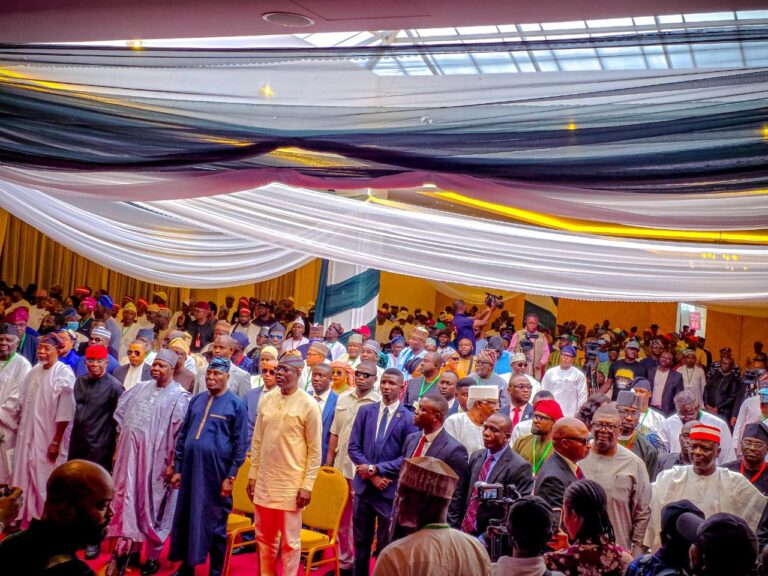
Fresh divisions have emerged within opposition circles after several political blocs distanced themselves from the Ibadan summit where some leaders agreed on plans to back one presidential candidate against President Bola Tinubu in 2027.
CLICK THE LINK TO READ FULL LIST
Some factions in the PDP said those who attended the meeting on behalf of the party had no authority to do so and insisted the party had not entered any coalition arrangement. The group maintained it would present its own presidential candidate and described the summit as lacking official backing from its recognised leadership.
CLICK THE LINK TO READ FULL LIST
Within the ADC, separate factions also rejected any link to the gathering. Leaders from both camps said the party was not represented at the meeting and remained committed to contesting elections independently. They argued that internal party issues should be settled before any talk of coalition politics.
The Labour Party also moved away from the summit, saying its attention remains on resolving leadership matters within the party. Its interim leadership indicated coalition discussions were not on its immediate agenda and said any future alliance decision would be made openly.
Related News
The Accord Party also denied involvement and objected to claims linking it to the summit resolutions. The party said it did not authorise anyone to speak or act on its behalf at the gathering and warned it could pursue legal action over the use of its identity without approval.
The summit had brought together prominent opposition figures including Atiku Abubakar, Peter Obi, Rabiu Kwankwaso, Seyi Makinde and David Mark, with participants discussing resistance to one-party dominance and a possible joint front for the next presidential election. But the backlash from party blocs has cast doubt on how united that plan really is.
The ruling All Progressives Congress also attacked the summit, dismissing the coalition push and criticising comments made during the meeting, especially remarks linked to historical political unrest. The party said the opposition lacked a clear alternative vision and accused its leaders of using fear and political tension to gain support.
Supporters of the Ibadan gathering, however, defended the meeting as an effort to strengthen opposition cooperation and resist pressure on rival parties. But with major blocs now insisting they will field separate candidates, the idea of a united opposition presidential ticket appears uncertain as political moves ahead of 2027 continue to take shape.

Comments are closed.