

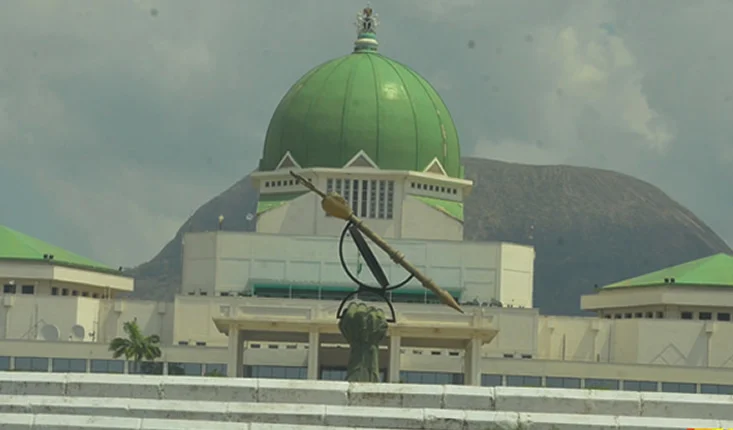
State governors and some former governors across Nigeria are working to secure senatorial tickets ahead of the 2027 elections, as political activities increase across parties and regions. This is happening in several states where leaders are using their influence within party structures to decide who gets tickets, often through consensus arrangements that leave little room for open contests.
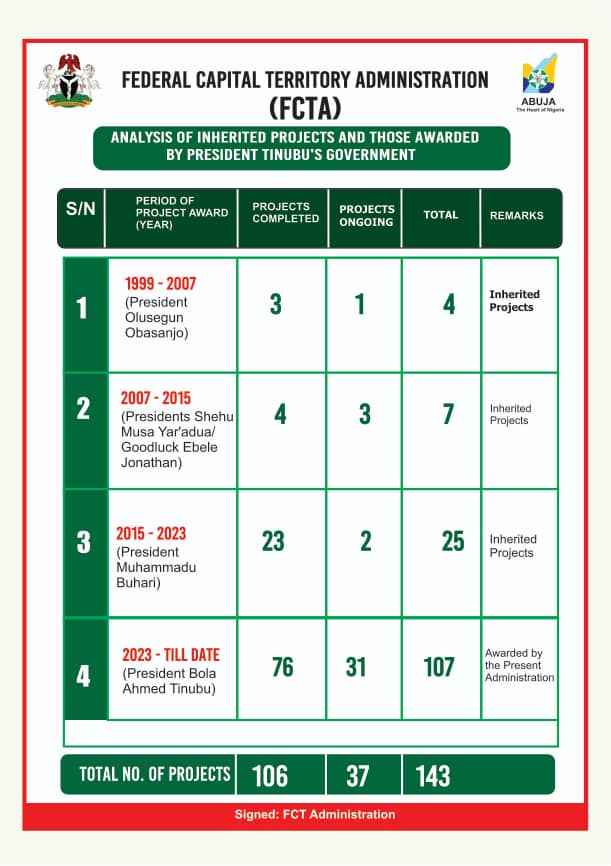
CLICK THE LINK TO READ FULL LIST
The development involves at least 10 governors and ex-governors whose tenure will end by May 2027. With many of them completing their second term, attention has shifted to the Senate as their next political step. Their actions are already affecting current senators, some of whom are stepping aside, while others are being blocked from contesting.
CLICK THE LINK TO READ FULL LIST
The situation became clearer after meetings involving party leaders at the national level, where governors were given control over the selection of candidates in their states. This has strengthened their position in deciding who emerges as party flag bearers, especially in the ruling party and some opposition parties.
In several states, the pattern is the same. Party leaders endorse a single candidate linked to the governor, while other aspirants are either persuaded to withdraw or left out of the process. In some cases, sitting senators have abandoned their ambitions to support governors or their preferred candidates.
In Yobe State, a serving senator stepped down from the race after party stakeholders agreed to back the state governor for the Senate seat. The decision followed a meeting of party leaders, where support was directed towards candidates chosen by the leadership.
In Gombe, a former governor lost his bid to return to the Senate due to a zoning arrangement that favoured another candidate supported by the current governor. The move followed internal disagreements and long-standing political differences.
Related News
In Imo State, the governor has been adopted as the sole candidate for a senatorial district, even though the current senator had plans to seek another term. Party leaders in the area have already declared their support and advised others not to contest against him.
In Ogun State, the situation has led to open disagreement, as the governor’s interest in a Senate seat has created tension with the current senator from the same district. Both sides are now preparing for a political battle within the party.
In Adamawa and Nasarawa, governors have also been endorsed for Senate positions, with sitting lawmakers stepping aside or backing them. Similar moves are being seen in other states, including Kwara and Delta, where former leaders are positioning themselves for Senate roles with the backing of party stakeholders.
The trend is also affecting other political figures, including former governors and party leaders who are either entering the race or being asked to step down based on decisions taken by higher authorities within the party.
These developments are taking place as the electoral body has already released the timetable for the 2027 elections, with party primaries scheduled to hold between April and May 2026. Campaigns are expected to begin later in the year.
As preparations continue, the growing influence of governors in determining candidates is shaping the political landscape, with many incumbents facing uncertainty about their chances of returning to the National Assembly.

Comments are closed.