

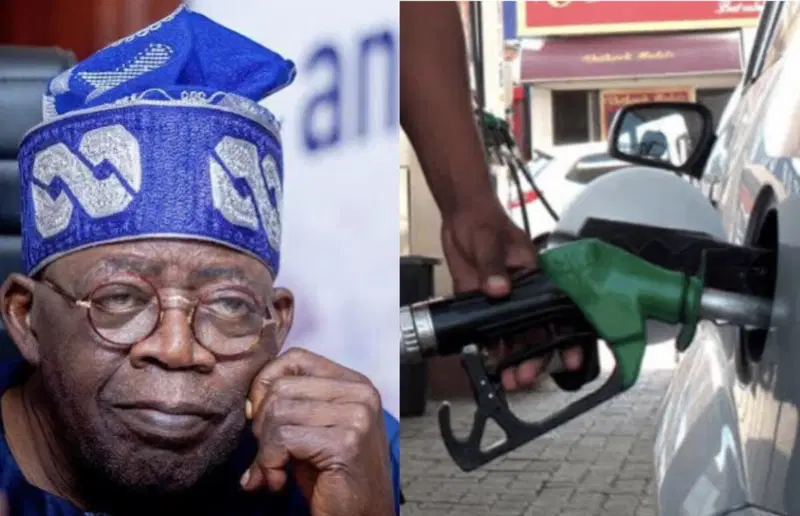
The Federal Government and organised labour have disagreed over how the money saved from the removal of fuel subsidy has been spent. The disagreement came on Thursday in Abuja during the 7th Africa Emerging Markets Forum, where the Minister of Finance and Coordinating Minister of the Economy, Wale Edun, spoke on the government’s economic reforms and use of the subsidy savings.
CLICK THE LINK TO READ FULL LIST
The minister said the removal of fuel subsidy and foreign exchange subsidy helped the government save funds, although he noted that the main goal of the reforms was to remove long-standing distortions and corruption in the system.
CLICK THE LINK TO READ FULL LIST
He said the government would soon release a full breakdown of how the savings had been used to improve transparency and keep Nigerians informed.
According to him, part of the funds was used to finance the end of the Ways and Means borrowing arrangement, service rising public debt obligations, pay for the increase in the national minimum wage from N30,000 to N70,000, and support the Nigerian Education Loan Fund (NELFUND), which provides tuition and monthly upkeep for students.
The minister explained that before the reforms, the government relied on printing money to meet some of its financial obligations. He said ending that practice meant the government had to source funds elsewhere to cover its spending.
He also stated that higher interest rates increased the cost of servicing existing debts, making debt repayment one of the areas where the savings were applied.
Related News
He added that although government revenue had improved, borrowing remained necessary because total expenditure was still higher than revenue.
He explained that exceeding a revenue target does not automatically remove the need to borrow if spending remains above income. He maintained that borrowing is acceptable when the funds are invested in projects that create greater value than the cost of the loans.
However, organised labour rejected the minister’s explanation and demanded evidence to support the claims. The Nigeria Civil Service Union and the Joint National Public Service Negotiating Council said the government had not provided enough information to prove that subsidy savings were used as claimed.
The General Secretary of the Nigeria Civil Service Union, Olowoyo Gbenga, questioned how the subsidy savings could have funded workers’ salaries when personnel costs had already been included in the budgets being implemented. He also asked the government to disclose the total amount realised from fuel subsidy removal since the policy began and provide records showing how the money was spent.
Gbenga also argued that workers were yet to receive some approved benefits, including the 40 per cent peculiar allowance linked to the new minimum wage and the outstanding wage award. He said these unresolved issues raised questions about the government’s claims regarding improved workers’ welfare.
A senior official of the Nigeria Labour Congress also dismissed the minister’s explanation, describing it as unconvincing. The official said the government should present verifiable data on the subsidy savings and their use instead of making general claims. The labour leader also alleged that the government spent public funds on unnecessary items and called for greater accountability in the management of the subsidy proceeds.
The disagreement has added to the ongoing debate over the impact of the fuel subsidy removal policy, with the Federal Government promising to release a detailed account of the savings, while labour insists that Nigerians deserve clear and verifiable information on how the funds have been managed.

Comments are closed.