

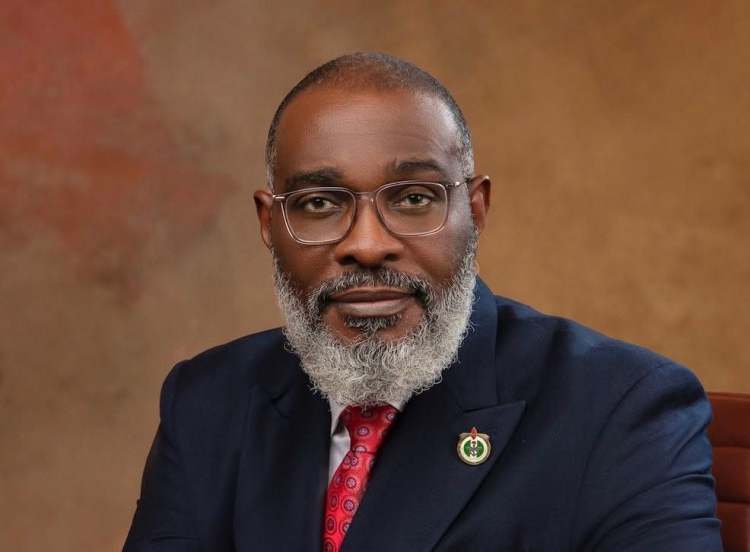
President Bola Tinubu’s Homeland Security Adviser, retired Major General Adeyinka Famadewa, has unveiled four key priorities aimed at strengthening Nigeria’s homeland security system. He presented the plan on Friday in Abuja during his first meeting with heads and representatives of major security agencies, ministries, departments and regulatory institutions to improve cooperation in tackling security challenges across the country.
CLICK THE LINK TO READ FULL LIST
The meeting was held at the Office of the Secretary to the Government of the Federation and focused on developing practical steps for implementing the new security agenda.
CLICK THE LINK TO READ FULL LIST
It brought together top officials, including the Comptroller-General of the Nigeria Customs Service, the Controller-General of the Nigerian Correctional Service, the Chief Executive Officer of the Nigerian Financial Intelligence Unit, the Corps Marshal of the Federal Road Safety Corps, the Director-General of the Office for Strategic Preparedness and Resilience, as well as representatives of the armed forces, intelligence agencies and other government institutions.
According to the presidential aide, the first priority is the introduction of a Unified Surveillance Programme to improve monitoring and increase awareness of security situations across the country through the use of technology.
The second focuses on strengthening Nigeria’s identity management system to reduce anonymity and prevent criminals from taking advantage of weak identification processes.
The third priority targets stronger border security through closer cooperation among security agencies, increased use of technology and intelligence-driven operations to tackle cross-border crimes.
Related News
The fourth aims to improve early warning, crisis reporting and emergency response systems so that threats can be detected quickly and handled more effectively.
Famadewa said the Tinubu administration is working towards building a secure and technology-based homeland security system capable of addressing both current and future threats. He explained that achieving this goal would depend on regular cooperation, intelligence sharing and coordinated action among all relevant agencies.
He also clarified that his office was created to support the work of existing security agencies rather than replace them. In addition, he commended the armed forces and other security organisations for their efforts in maintaining peace in different parts of the country, while noting that non-military approaches remain important in improving national security.
Participants at the meeting agreed that Nigeria’s security challenges require stronger cooperation among government institutions and other stakeholders. They pledged to improve information sharing, strengthen coordination and make greater use of technology in carrying out security operations.
The meeting ended with an agreement to establish regular coordination mechanisms, organise continuous stakeholder engagements and develop implementation plans that would turn the four priorities into practical actions.
The renewed attention to identity management and digital security comes as authorities continue to express concern over the activities of terrorist groups and organised criminal networks.
Security experts have long argued that weak identity systems, poor data integration and limited cooperation among government agencies have allowed criminals to exploit loopholes for kidnapping, terrorism, financial crimes and other illegal activities.
The new strategy is expected to improve coordination among security institutions while supporting efforts to protect lives and property across the country.

Comments are closed.