

CLICK THE LINK TO READ FULL LIST
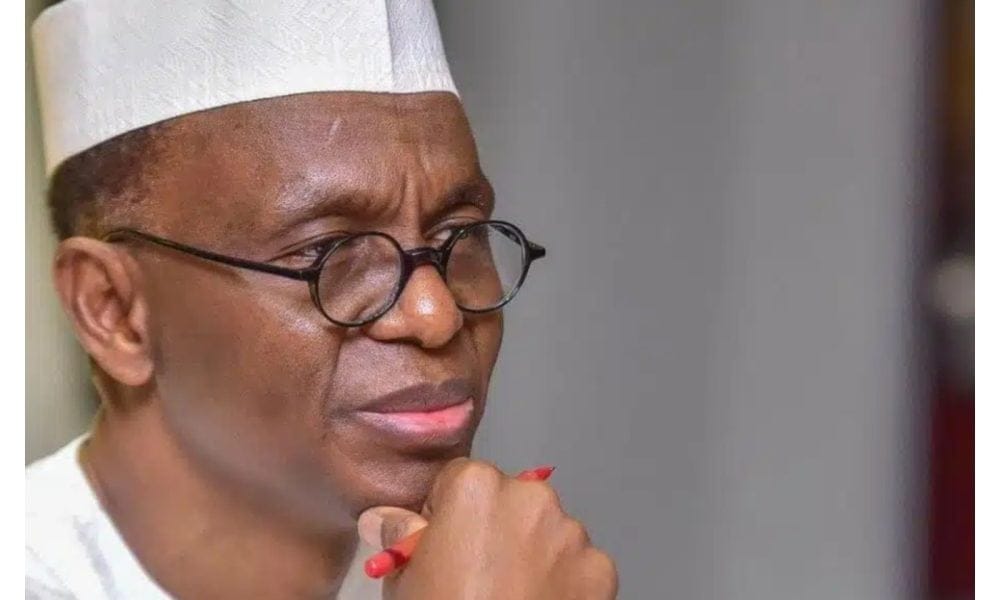
The continued detention of former Kaduna State Governor Nasir El-Rufai has generated differing views among political analysts over its possible implications for the All Progressives Congress (APC) ahead of the 2027 elections.
CLICK THE LINK TO READ FULL LIST
While some analysts believe keeping El-Rufai away from active political activities could affect opposition mobilisation, others argue that the prolonged detention could generate public sympathy for the former governor and provide an issue for opposition parties to use during the election campaign.
El-Rufai has been in detention since February 2026 over corruption-related investigations and subsequent court proceedings. He was arraigned by the Independent Corrupt Practices and Other Related Offences Commission (ICPC) in March on money-laundering charges and pleaded not guilty.
His detention has attracted political attention because of his prominent role in Northern Nigerian politics and his later association with the opposition African Democratic Congress (ADC).
Political scientist Dr Kabiru Said Sufi told DAILY POST that the political consequences would largely depend on how Nigerians perceive the case.
Sufi said public reactions appeared to have reduced compared with the initial period of the detention, while opposition parties had also not sustained the matter as a major political issue.
He noted that the APC could benefit from El-Rufai’s absence from opposition activities because of his experience as a political strategist.
However, Sufi said the situation could have a different political effect if public anger over the detention became stronger again. He explained that sustained public concern over the case could turn it into an issue against the ruling party.
Political commentator Comrade Aminu Rabiu Kano also said El-Rufai’s political profile made the case difficult to assess in simple terms.
Kano described El-Rufai as a former governor, prominent Northern politician and one of the figures associated with the emergence of the APC.
Related News
He said the Federal Government could frame the case around accountability and the rule of law, but noted that public perception could shape its political consequences.
According to him, detention could restrict El-Rufai’s physical participation in opposition activities without necessarily ending his political influence.
Kano also cautioned against viewing Northern voters as a single political bloc, saying electoral decisions could be influenced by factors including security, economic conditions, government performance, candidates, political alliances and local structures.
He said the political effect of the case could remain limited if voters largely regarded the proceedings as a genuine legal process. However, if sections of the electorate viewed the detention as politically motivated, opposition parties could use the issue for mobilisation.
Comrade Umar Muhammad Kofar Naisa, Country Director of the Society for Educational Development and Socio-Democratic Activities (SEDSAC), offered a different assessment.
Kofar Naisa said the continued detention could generate sympathy for El-Rufai among his supporters and potentially make the issue relevant during the 2027 election.
He also referred to El-Rufai’s previous political relationship with President Bola Tinubu and argued that the detention had affected perceptions of the administration among some Nigerians who see the case as involving an opposition figure.
Kofar Naisa further said the situation could influence how some APC members view disagreements with the Federal Government, particularly if they become concerned about the consequences of taking opposing positions.
Meanwhile, the Emir of Kano, Muhammadu Sanusi II, has also questioned the consistency of Nigeria’s anti-corruption campaign while discussing El-Rufai’s detention.
Speaking to Channels Television in Lagos, Sanusi said Nigeria had institutions and courts responsible for investigating and prosecuting corruption cases but called for their application to be consistent.
He cited El-Rufai’s continued detention and the denial of bail as an example, while noting that the former governor had not been convicted.
The different assessments from the analysts show that views on the political implications of El-Rufai’s detention remain divided. The eventual effect will depend on developments in the legal proceedings, public perception of the case and how political parties address the issue as the 2027 elections approach.

Comments are closed.