

CLICK THE LINK TO READ FULL LIST
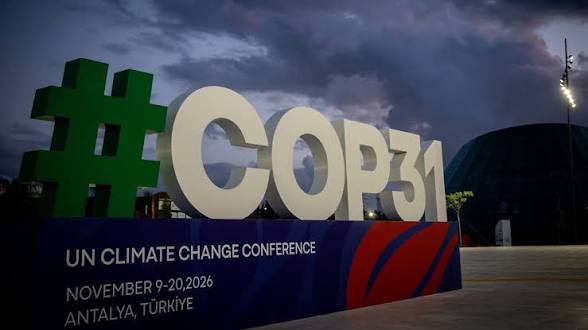
The Federal Government and the United Nations have expressed disappointment following the failure of the 31st United Nations Climate Change Conference, COP31, to produce an overarching political agreement after prolonged negotiations in Antalya, Türkiye.
CLICK THE LINK TO READ FULL LIST
The conference ended on Sunday, November 22, after nearly 200 countries failed to reach a consensus on several critical climate issues.
The negotiations reportedly continued for almost 50 hours beyond the scheduled closing time, making the summit the longest United Nations climate conference on record.
Nigeria’s Director-General of the National Council on Climate Change, Omotenioye Majekodunmi, said the outcome was disappointing but maintained that the country would continue implementing its domestic climate programmes.
She explained that Nigeria would remain committed to its Nationally Determined Contribution 3.0, strengthening climate governance and attracting investments into its energy transition plans.
The Federal Government also maintained that the failure to reach a new international agreement would not stop the country from pursuing its existing climate commitments.
The negotiations reportedly broke down because countries could not agree on several issues, including the transition away from fossil fuels, climate financing, adaptation funding and the role of carbon capture technologies.
Related News
One of the major disagreements concerned demands for clearer commitments on reducing dependence on coal, oil and gas.
Developing countries also raised concerns about the availability of financial assistance needed to address climate challenges, particularly the impact of rising temperatures and extreme weather conditions.
The proposed adaptation finance target of $120bn also disappeared from the final draft, adding to disagreements over the financial support vulnerable countries require.
COP31 President Murat Kurum confirmed that countries had failed to agree on a final political decision after efforts to resolve the differences proved unsuccessful.
United Nations Secretary-General António Guterres also expressed deep disappointment over the outcome, warning that the failure to reach an agreement would not reduce the urgency of addressing climate change.
The collapse of the negotiations has raised fresh concerns about international cooperation on climate action.
Despite the setback, Nigeria said it would continue pursuing policies aimed at supporting energy transition, attracting climate investments and strengthening its environmental protection programmes.
Attention has now shifted to COP32, scheduled to take place in Addis Ababa, Ethiopia, where countries are expected to continue discussions on unresolved climate commitments.

Comments are closed.