

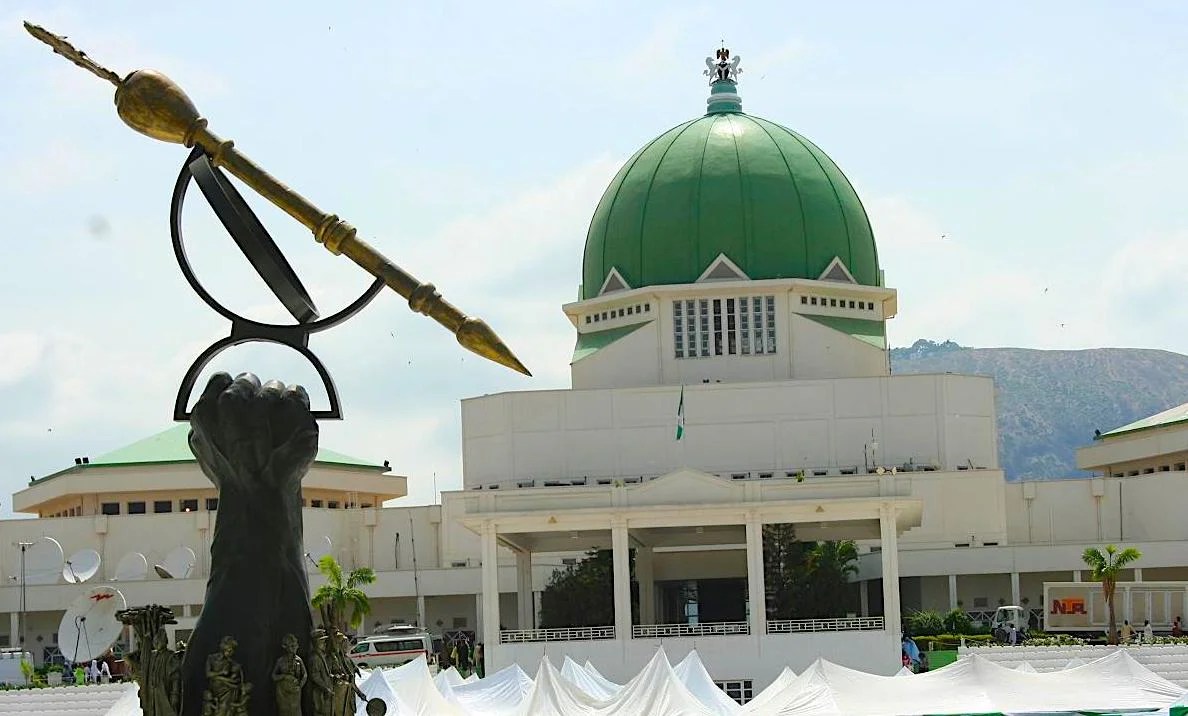
The National Assembly has proposed that Nigeria’s 2027 general elections be held in November 2026, six months before the end of the current administration’s tenure.

CLICK THE LINK TO READ FULL LIST

- Advertisement -
The proposal, contained in the Electoral Act (Amendment) Bill 2025, was made public during a joint hearing by the Senate and House Committees on Electoral Matters in Abuja.

Sponsored Ads
The new timeline aims to ensure that all election-related court cases are resolved before the official handover on May 29, 2027.According to the draft amendment, presidential and governorship elections will now take place not later than 185 days before the expiration of the incumbents’ term.


- Advertisement -
This change moves Nigeria’s elections from the usual February or March schedule to November of the previous year.The lawmakers explained that the reform is meant to give courts enough time to conclude election petitions and appeals before newly elected leaders take office.
The proposal also includes strict deadlines for resolving disputes — 90 days for tribunals, 60 days for appeals, and the remaining period for Supreme Court judgments — all within the 185-day window.
Related News
To make the reform legally binding, the National Assembly plans to amend Sections 285 and 139 of the 1999 Constitution, which currently define the time allowed for election dispute resolution.
The draft bill also seeks to make electronic voting and result transmission compulsory in all elections. It mandates that presiding officers transmit results both electronically and manually, with penalties of up to one year in prison or a ₦1 million fine for failure to comply.
Another key proposal is the introduction of early voting, which would allow essential workers such as security agents, INEC staff, journalists, and accredited observers to vote up to 14 days before the main election day. This is intended to ensure they do not miss their civic duty while performing election-related assignments.
During the hearing, representatives of the Independent National Electoral Commission (INEC), civil society groups, and political parties expressed support for the new measures.
They described the proposed changes as steps that could improve planning, reduce post-election court battles, and strengthen the credibility of Nigeria’s electoral process.
If the bill is passed into law, Nigeria’s election calendar will be permanently shifted forward, allowing smoother transitions, timely justice, and more organized elections across the country.

Comments are closed.