

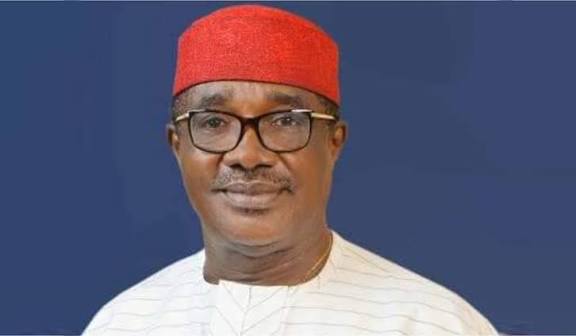
Senator Mao Ohuabunwa, the factional chairman of the Peoples Democratic Party (PDP) Board of Trustees, has attributed the ongoing crisis within the party to leaders prioritizing personal interests over party rules and disobeying the party’s constitution. The political tension has escalated as rival factions continue to challenge each other’s legitimacy.

CLICK THE LINK TO READ FULL LIST

- Advertisement -
Ohuabunwa traced the roots of the party’s divisions to a failure to follow internal laws and maintain discipline over the years. He noted that the party’s troubles were worsened by repeated failures to address internal reforms after previous electoral defeats, leaving a gap for personal ambition to dominate party decisions. According to him, greed and the pursuit of power have been the main causes of conflict, with leaders often returning to the party and demanding top positions immediately, which disrupts the established order.

Sponsored Ads
He also criticized the way leadership transitions were handled, particularly after the resignation of former National Chairman Iyorchia Ayu, saying the party did not follow its zoning rules, which led to further disputes. Ohuabunwa described his BoT faction as a lawful group formed to restore discipline and reconcile the party, claiming that the previous board had become partisan and failed to act as the party’s guiding conscience.
Related News


- Advertisement -
The PDP crisis recently deepened after the National Working Committee led by Umar Damagum suspended several officials, including the National Secretary Samuel Anyanwu, citing anti-party activities. In response, Anyanwu’s camp suspended Damagum and appointed Mohammed Abdulrahman as Acting National Chairman, with Ohuabunwa as BoT Chairman. Both appointments have been rejected by the opposing faction, further fueling the internal standoff.
Ohuabunwa’s statements come at a time when the PDP continues to face internal disagreements that threaten its cohesion ahead of upcoming political contests. The faction led by Ohuabunwa aims to steer the party back toward adherence to its constitution, internal reconciliation, and orderly management, positioning itself as the watchdog for party discipline amid a divided leadership structure.
The situation within the PDP shows a struggle between loyalty to party rules and individual ambitions, and the resolution of this conflict will determine the party’s ability to present a united front in future elections. Party members and observers continue to watch closely as both factions assert their claims to legitimacy and attempt to manage internal disputes.

Comments are closed.