
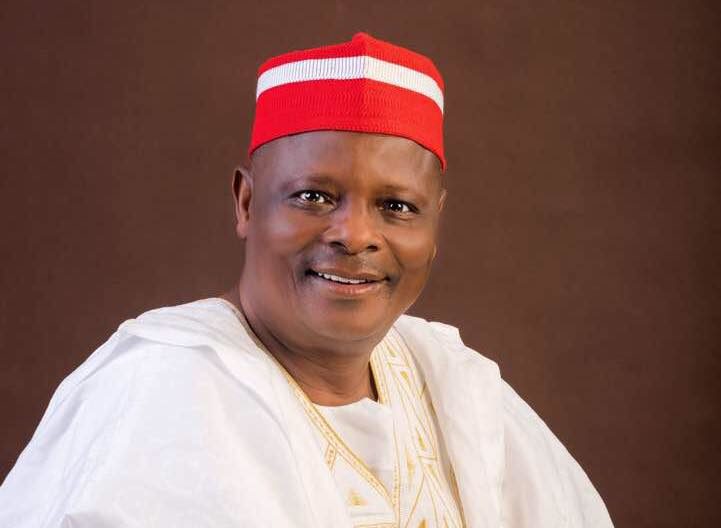
The All Progressives Congress and the New Nigeria Peoples Party have opposed a bill before the United States Congress seeking visa bans and asset freezes against former Kano State Governor, Senator Rabiu Musa Kwankwaso, as well as Miyetti Allah groups over alleged religious freedom violations in Nigeria.
CLICK THE LINK TO READ FULL LIST
The reaction came on Wednesday after details of the proposed legislation became public.
CLICK THE LINK TO READ FULL LIST
The bill, titled the Nigeria Religious Freedom and Accountability Act of 2026, was introduced in the US House of Representatives by Congressman Chris Smith and other lawmakers.
It recommends sanctions under the Global Magnitsky Human Rights Accountability Act against individuals and groups accused of involvement in abuses linked to religious persecution.
The APC, through its Director of Publicity, Bala Ibrahim, said the move was unfair and based on allegations that had not been proven. The party argued that no one should face restrictions without due process and a fair hearing. It maintained that allegations alone should not be enough to impose travel bans or freeze assets.
The NNPP also rejected the proposal and described the inclusion of its national leader as unjust. At a press briefing in Abuja, the party said Kwankwaso had no record of supporting religious extremism.
It questioned why he was singled out over the introduction of Sharia law in Kano when other northern states had taken similar steps. The party also pointed to his political history, including running with a Christian running mate in the 2023 presidential election and maintaining ties with Christian leaders.
The controversy followed remarks by US Congressman Riley Moore, who accused Kwankwaso of complicity in the deaths of Christians and linked him to laws that prescribe death for blasphemy. Kano was among several northern states that adopted Sharia criminal codes during Kwankwaso’s tenure as governor.
Related News
The proposed legislation accuses Nigeria of long-standing religious persecution and claims the country accounts for a large share of Christians killed worldwide in recent years.
It lists Boko Haram, ISWAP and certain Fulani militia groups as major actors in violent attacks, including killings, abductions and destruction of communities across the Middle Belt and parts of the North-East and North-West. The bill calls for the US Secretary of State to consider designating some Fulani militias as Foreign Terrorist Organisations.
It further urges the US government to impose visa restrictions and financial sanctions on those found responsible for severe violations. It also recommends increased humanitarian assistance for displaced persons and calls for joint efforts between the US and Nigeria to tackle insecurity.
Miyetti Allah Cattle Breeders Association of Nigeria rejected its inclusion in the sanctions proposal. Its national leadership said the group is legally registered and represents peaceful cattle breeders across the country. The association denied involvement in terrorism and stated that it has engaged international bodies in the past to clarify its position.
The Benue State chapter of MACBAN also condemned the bill, arguing that its members include both Muslims and Christians and that the association has also suffered losses from bandit attacks.
The group called on the Nigerian government to engage the US diplomatically and urged American lawmakers to visit affected communities before taking action.
The bill notes that if passed, the US Secretary of State would be required to submit regular reports on Nigeria’s compliance with international religious freedom standards and on steps taken against those accused of abuses.
As debate over the proposed sanctions continues, political parties and groups in Nigeria have called for caution, urging that any decision be based on verified facts and proper investigation rather than allegations alone.

Comments are closed.