

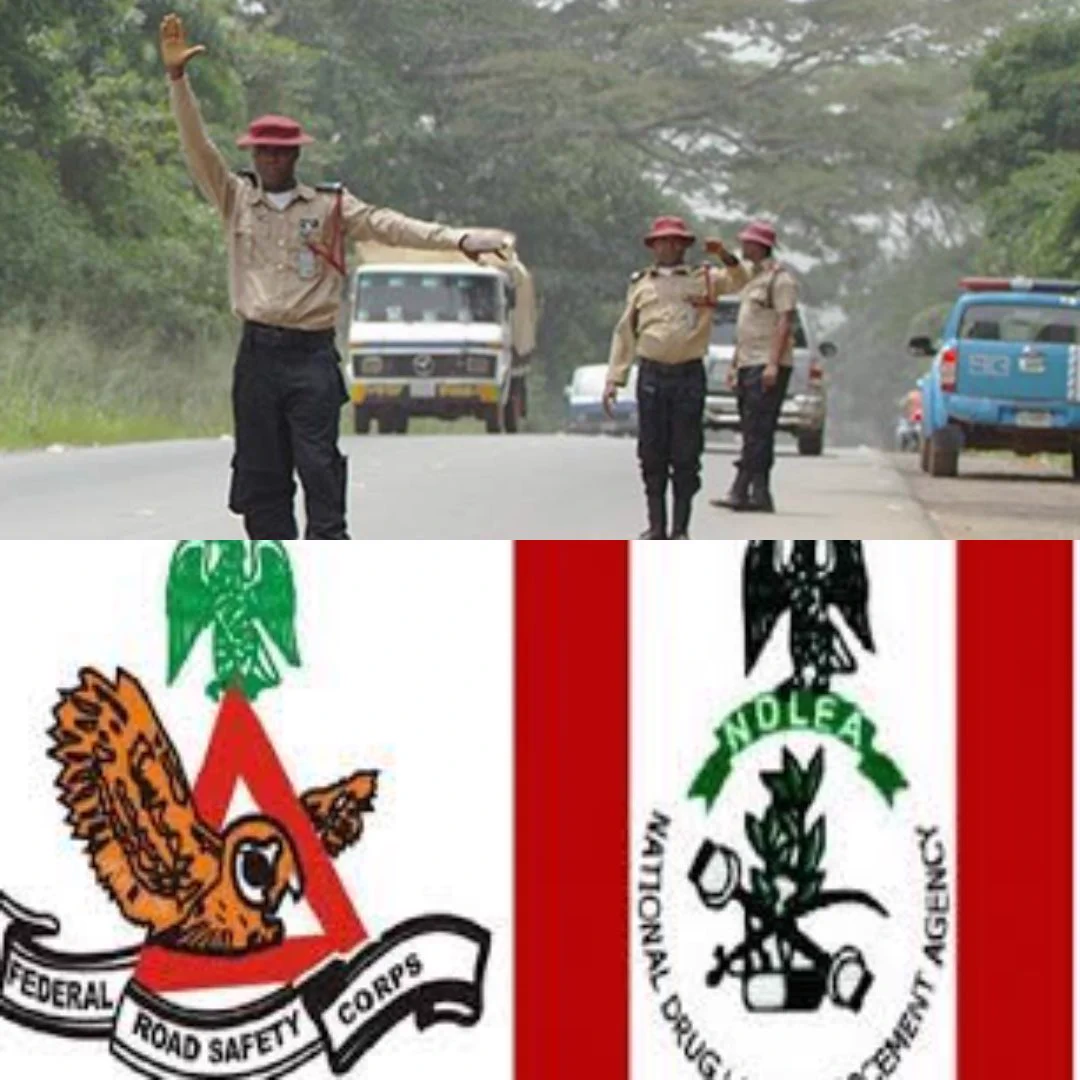
The National Drug Law Enforcement Agency (NDLEA) has announced plans to work with the Federal Road Safety Corps (FRSC) to introduce drug testing for commercial vehicle drivers across the country.
CLICK THE LINK TO READ FULL LIST
The initiative is aimed at reducing road accidents linked to substance abuse and ensuring that drivers are fit to transport passengers and goods.
CLICK THE LINK TO READ FULL LIST
The NDLEA Chairman and Chief Executive Officer, Mohamed Buba Marwa, disclosed this on Thursday in Benin, Edo State, during a stakeholder engagement on drug abuse prevention and control.
Marwa explained that some commercial drivers take drugs to remain awake for long hours and make more trips in a bid to increase their daily earnings.
He warned that the practice could affect their ability to make sound decisions while driving, putting their lives, passengers and other road users at risk.
According to him, drivers who depend on drugs to stay active during long journeys may eventually become confused, sleepy or lose control of their vehicles, which could result in fatal accidents.
The NDLEA boss called on transport unions to take stronger action against the use of alcohol and illicit substances in motor parks.
He said he had already engaged transport workers in Edo State on the matter and received assurances that they would support efforts to address drug abuse among commercial drivers.
Marwa also renewed his call for mandatory drug tests for couples preparing for marriage, suggesting that the screening should become part of the requirements alongside HIV and genotype tests.
He explained that individuals who test positive for illicit drug use should be encouraged to undergo rehabilitation and provide negative test results before proceeding with their marriages.
The NDLEA chairman said the proposal was not intended to prevent couples from getting married but to ensure that those struggling with substance abuse receive the necessary treatment.
He maintained that tackling drug abuse required the involvement of government agencies, families, community leaders and other members of society.
Marwa further disclosed that the agency arrested at least 1,200 suspected drug offenders and recovered more than 30 tonnes of illegal substances in Edo State within the previous year.
He put the prevalence of drug use in the state at approximately 15 per cent among people between the ages of 15 and 64, describing the situation as a major concern.
He urged parents and guardians to pay closer attention to their children’s conduct and seek help whenever they notice unusual behavioural changes that could indicate substance abuse.
Related News
The NDLEA chief also called on schools to establish drug-free clubs and counselling centres to educate students about the dangers of taking illegal substances.
He urged media organisations to use their platforms to discourage the promotion of drug use, particularly by entertainers and other influential public figures.
Speaking at the event, the Coordinator of the Office of the Wife of the Edo State Governor and Chairperson of the State Drug Control Committee, Edesili Okpebholo-Anani, described substance abuse as an increasing problem affecting families and communities.
She noted that drug abuse could expose users to various health challenges while also placing financial pressure on families who struggle to pay for the rehabilitation of affected relatives.
Okpebholo-Anani also praised the NDLEA’s alternative development programme, which encourages cannabis farmers to abandon illegal cultivation and embrace lawful sources of income.
She described the initiative as a useful approach to addressing the financial reasons some farmers become involved in illegal cannabis production.
The governor’s wife’s office coordinator said Edo State was interested in adopting the programme after receiving a positive response from the NDLEA.
Earlier, the NDLEA Commander in Edo State, Mitchell Ofoyeju, said the stakeholder meeting was organised to improve cooperation among relevant institutions in the fight against drug abuse.
He explained that the engagement would help strengthen intelligence-sharing, public education, prevention, law enforcement and rehabilitation efforts.
Ofoyeju called for continuous collaboration among government agencies, traditional rulers, religious leaders, security organisations, the judiciary, civil society groups and local communities to achieve a drug-free state.
During an interactive session, Marwa also called for tougher punishment for people involved in drug trafficking and other drug-related offences.
He expressed concern that some suspects returned to the illegal business after securing bail or paying fines, making it difficult for the authorities to end the trade.
The NDLEA chairman disclosed that a proposed amendment to the agency’s enabling law had passed its second reading at the National Assembly.
According to him, the proposed changes seek to introduce prison sentences ranging from 15 to 25 years for drug-related offences while removing the option of paying fines as an alternative punishment.

Comments are closed.