

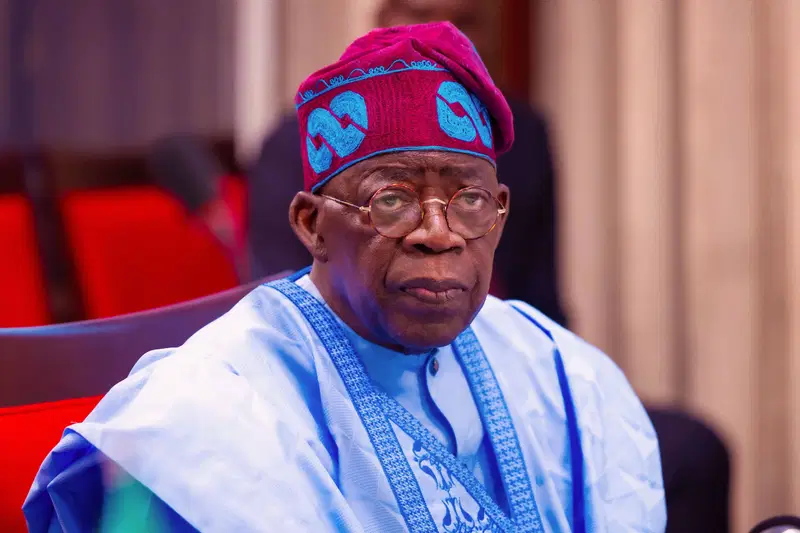
The Presidency on Sunday reacted to claims that Nigeria’s new tax laws were altered after passage by the National Assembly, while opposition figures and civil groups demanded a halt to their rollout. The dispute is unfolding in Abuja ahead of the planned start date of January 1, 2026, for the new tax regime.
The Federal Government said the allegation that parts of the tax reform laws were changed without legislative approval is false and has no proof. It insisted that the laws followed due process from the National Assembly to presidential assent and will be implemented as scheduled. The response followed pressure from former Vice President Atiku Abubakar, Labour Party’s 2023 presidential candidate Peter Obi, and several organisations calling for suspension of the laws.
President Bola Tinubu recently signed four tax reform bills into law as part of a major change to Nigeria’s tax system. The laws cover taxation, administration, revenue service structure and joint revenue coordination, all under a new national revenue authority. The government said the reforms are meant to simplify tax payment, widen the tax base, reduce multiple taxation and improve revenue collection across all levels of government.
Concerns arose after a member of the House of Representatives from Sokoto State alleged that the versions of the laws released to the public were not the same as those debated and passed by lawmakers. He said some sections dealing with oversight were removed, while new enforcement powers that were not approved by parliament appeared in the final documents. He warned that such changes could expose the laws to legal challenges.
Following the complaint, the House of Representatives set up a special committee to examine the claims. The Speaker announced that the panel would review all legislative records and submit its findings to the House for further action.
The Presidency rejected the claims, saying there is no proof of any alteration. Presidential aides said opposition figures were trying to create controversy around government policy. They maintained that preparations for implementation have been ongoing for months and would not be stopped. The Presidency also said it would wait for the House committee’s report but ruled out suspending the laws.
Atiku called for an immediate pause in implementation until a full investigation is carried out. He argued that any change to a law after passage is a serious matter that could weaken public trust. He warned that Nigerians should not be asked to bear heavier tax burdens if the law-making process is in doubt.
Obi also raised concerns, saying the alleged changes raise questions about respect for the Constitution and the rule of law. He said Nigerians deserve clarity on what was passed by lawmakers and what was eventually signed into law, especially where new enforcement powers affecting citizens’ rights are involved.
The African Democratic Congress described the tax laws as harsh and asked for their suspension to allow lawmakers determine whether any unlawful changes were made. The party called for a public inquiry and accountability if wrongdoing is found.
Meanwhile, a civic group said it had begun mobilising citizens against the tax reforms, claiming the policies would place more pressure on ordinary Nigerians, small businesses and young workers at a time when basic services remain inadequate.
Despite the growing opposition, the Federal Government said the tax laws will take full effect from January 1, 2026, as planned.
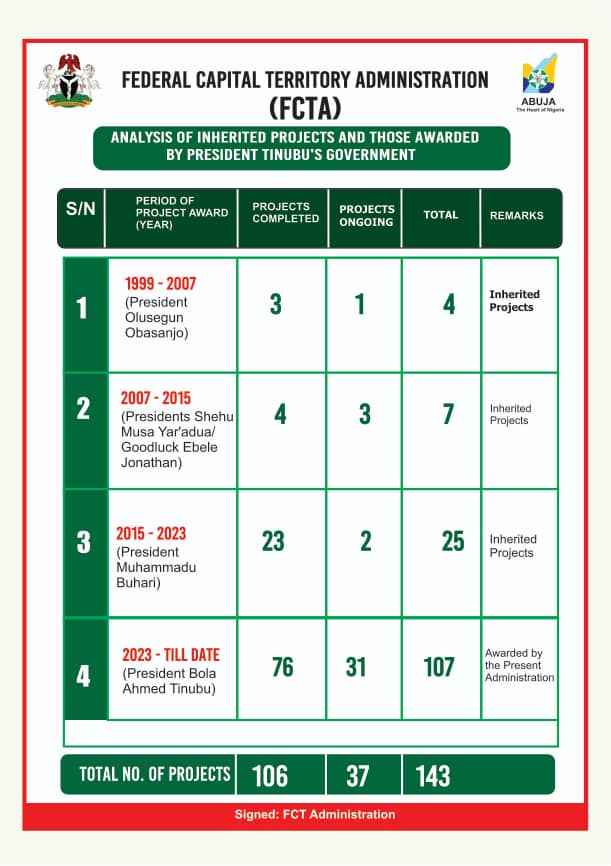
CLICK THE LINK TO READ FULL LIST

Comments are closed.