

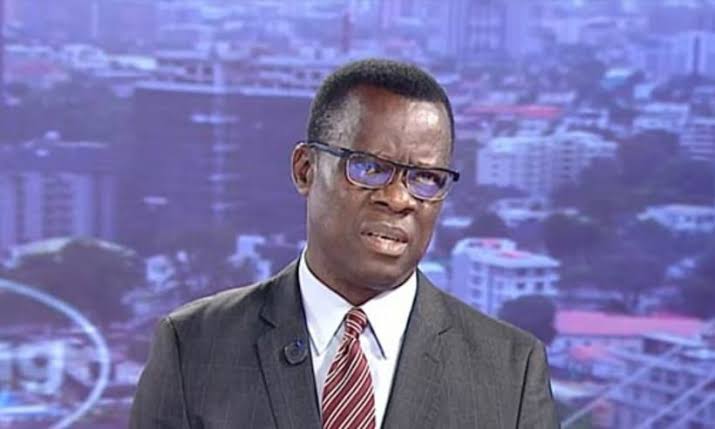
A former Resident Electoral Commissioner of the Independent National Electoral Commission, Mike Igini, has called on United States President Donald Trump to impose visa restrictions and freeze the assets of Nigerian officials found guilty of electoral fraud.
CLICK THE LINK TO READ FULL LIST
Igini made the appeal in a letter to Trump dated November 13, 2026, urging the American government to hold individuals responsible for manipulating election results and undermining Nigeria’s democratic process accountable ahead of the 2027 general elections.
CLICK THE LINK TO READ FULL LIST
The former electoral commissioner proposed that INEC officials involved in falsifying electoral records, manipulating results and committing other serious electoral offences should face individual sanctions where credible evidence establishes their involvement.
He argued that restricting the international movement of such individuals and targeting their finances would discourage electoral malpractice and make those responsible personally accountable for their actions.
Igini also extended his proposed sanctions to judicial officers found to have deliberately engaged in corruption or actions capable of undermining electoral justice.
He maintained that judicial independence was important to democracy but should not be used to protect individuals involved in deliberate misconduct.
The former REC also called for sanctions against senior security officers and commanders who might be found to have authorised or supported voter intimidation, electoral violence and the unlawful suppression of opposition activities.
Related News
He specifically mentioned security institutions, including the Nigeria Police Force, Department of State Services, Armed Forces and Nigeria Security and Civil Defence Corps, saying they had a responsibility to protect citizens and enforce the law without political interference.
Beyond sanctions, Igini urged Trump to send a high-level delegation to Nigeria ahead of the 2027 elections.
He proposed that the delegation engage President Bola Tinubu, presidential candidates, governorship candidates, INEC, political parties and other relevant institutions on the need for credible elections and peaceful political competition.
Igini also recommended independent monitoring of the electoral process before, during and after the elections, particularly in areas involving voter intimidation, security operations, polling unit results and the collation of votes.
He linked Nigeria’s electoral challenges to the growing number of citizens seeking opportunities abroad, arguing that corruption, insecurity and poor leadership had weakened public confidence in the country.
According to him, credible elections would give Nigerians the opportunity to choose responsible leaders capable of addressing the country’s economic and security problems.
He further argued that improving governance would reduce the pressure on Nigerians to leave the country in search of better opportunities.
The former commissioner maintained that the United States should make electoral accountability an important part of its diplomatic engagement with Nigeria.

Comments are closed.