

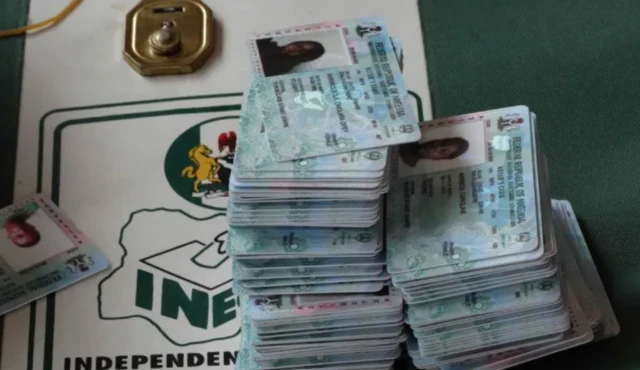
In Abuja on Monday, federal lawmakers introduced a new proposal seeking to make the Permanent Voter Card (PVC) optional for Nigerians during elections.

CLICK THE LINK TO READ FULL LIST

- Advertisement -
The proposal suggests that voters could instead present their National Identification Number (NIN), international passport, or birth certificate when casting their votes.

Sponsored Ads
The lawmakers explained that the current Bimodal Voter Accreditation System (BVAS) does not make use of the microchip in PVCs, which makes the card less necessary.


- Advertisement -
During a public hearing held by the Joint Committee on Electoral Matters, supporters of the bill said the change would help reduce cases of voter card fraud and make it easier for eligible Nigerians to vote, especially those who never received their PVCs.
The amendment targets Sections 18 and 47 of the 2022 Electoral Act and also recommends removing Section 22. It introduces the idea of allowing digital or printable versions of voter identification to reduce the illegal buying and selling of PVCs.
Many Nigerians have faced problems with BVAS during elections, including failed fingerprint scans, short battery life, and poor network connections.
Related News
These issues often caused long queues, delays, and even prevented some people from voting. Others were unable to collect their PVCs because of poor coordination, lost cards, or overcrowded collection centers.
The proposed amendment also seeks to make electronic transmission of results from polling units to higher levels compulsory, in addition to physical result sheets.
This move is meant to improve transparency in how election results are handled.Another part of the bill introduces penalties for presiding and collation officers who submit unsigned or unstamped results.
Such offenses would attract a fine of at least one million naira, a one-year jail term, or both.If approved, the proposal would mark a major shift in Nigeria’s voting process, replacing the dependence on physical PVCs with a more flexible and technology-driven system.
While it aims to make voting more inclusive and efficient, concerns remain about whether the country’s election infrastructure can handle such a change. Issues such as unstable electricity supply, poor internet access, and technical limitations may still affect how well the new system works.
As lawmakers continue to debate the bill, Nigerians are watching to see if it will lead to a smoother and fairer voting experience or bring a new set of challenges to the electoral process.

Comments are closed.