

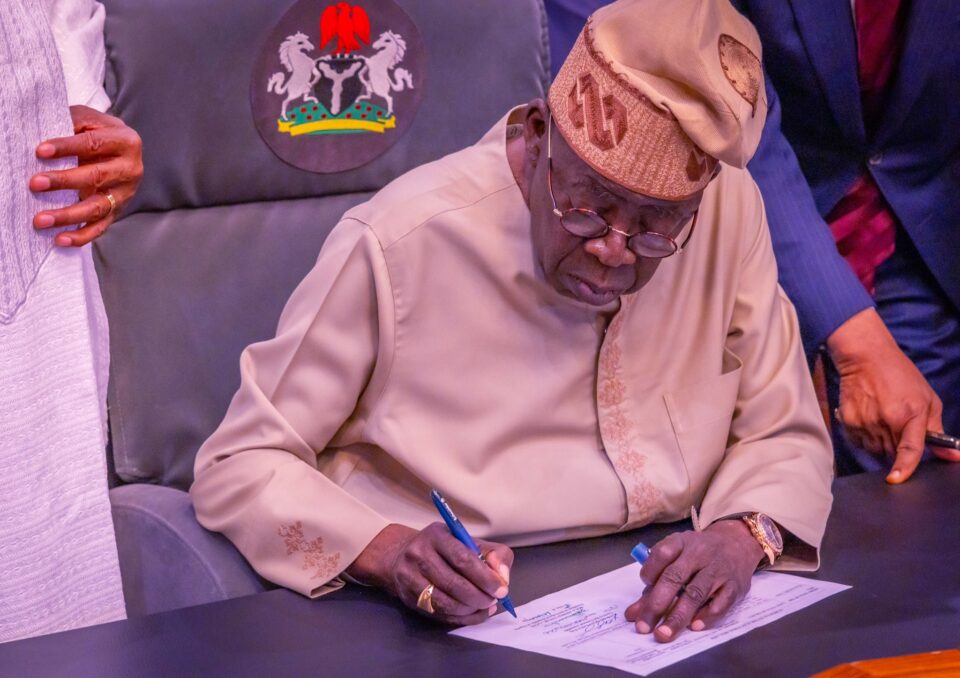
Nigeria moved closer to one of its most debated security reforms as the Senate prepared to consider a bill seeking the creation of state police services across the federation. The development followed the formal transmission of the Constitution Alteration Bill by President Bola Tinubu to the National Assembly.
CLICK THE LINK TO READ FULL LIST
CLICK THE LINK TO READ FULL LIST
Ahead of the debate, Senate President Godswill Akpabio appealed to lawmakers to ensure full attendance at the plenary session, describing the exercise as an important constitutional responsibility. He noted that the proposed reform could reshape the country’s security system by allowing greater participation of states and local communities in maintaining law and order.
The renewed push for state police has attracted support from many governors, security experts and community leaders who believe a decentralised policing structure would improve intelligence gathering, strengthen local security operations and enable quicker responses to threats.
Retired military officer Brigadier General Peter Aro described the proposal as a security reform that should be approached carefully and not as a political project. He argued that states should have authority over intelligence gathering, investigations and community policing within their territories while remaining within constitutional limits. He also called for safeguards to prevent politically motivated prosecutions and misuse of power.
Former Assistant Inspector-General of Police Ali Amodu supported the move, saying governors would naturally play a major role since they would be responsible for funding and maintaining state police formations. According to him, the security challenges confronting the country require urgent solutions, making the establishment of state police necessary despite concerns about possible misuse.
Another retired military officer, Brigadier General George Edim, backed greater security responsibilities for governors. He argued that local authorities are often better positioned to handle security issues within their jurisdictions and said fears of abuse should not prevent the country from adopting a system that could improve safety.
Not everyone agrees with granting wider powers to governors. Retired Assistant Inspector-General of Police Wilson Inalegwu cautioned against concentrating excessive authority in the hands of political office holders.
Related News
He maintained that strong oversight institutions would be necessary to ensure accountability and prevent unlawful arrests or political persecution. According to him, state police should focus on local crimes while offences that cut across state boundaries, including cybercrime, human trafficking and certain violent crimes, should remain under federal jurisdiction.
Also contributing to the debate, retired naval officer Commodore Omatseye Nesiama proposed the establishment of independent commissions in each state to guide policy and administration of state police services. He argued that such bodies would help prevent abuse while improving security coordination and intelligence management.
The Senate’s consideration of the bill comes amid growing demands from governors for greater constitutional authority over security operations in their states. Discussions among state Attorneys-General, legal experts and security officials have focused on issues such as funding, personnel management, operational powers and oversight structures.
Although Tuesday’s Senate proceedings were cut short following the announcement of the death of House of Representatives member Yaya Tongo, lawmakers are expected to resume deliberations on the bill during Wednesday’s sitting.
Senate Leader Opeyemi Bamidele urged senators to attend the session, noting that constitutional amendments require the support of at least two-thirds of members of the chamber. He described the proposal as a national issue that goes beyond political and regional interests.
For the amendment to succeed, it must secure the backing of two-thirds of both the Senate and the House of Representatives. It must also receive approval from at least 24 state Houses of Assembly before being forwarded to the President for assent.
If eventually adopted, the legislation would mark one of the biggest changes to Nigeria’s policing structure since independence and could usher in a new approach to tackling security challenges across the country.

Comments are closed.